


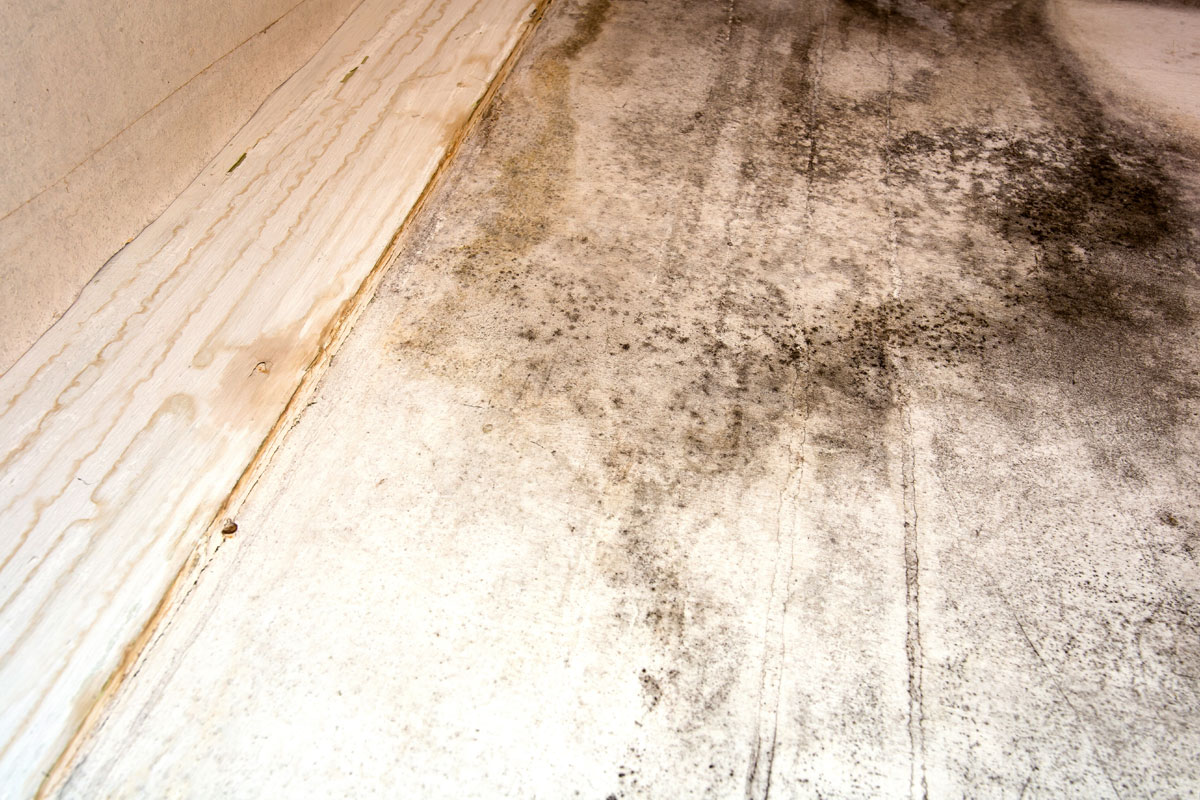
September is Mold Prevention Month—an ideal time for Kansas City homeowners to focus on defending their homes from one of the most silent yet destructive threats: mold. Our region’s mix of hot, humid summers and wet fall weather creates the perfect conditions for mold growth, especially in older homes or those with roof and siding vulnerabilities.
Here’s how to stay proactive about mold protection before it impacts your health, home value, or safety.
Why Mold Prevention Matters in Kansas City
Mold isn’t just unsightly. It can damage your home’s structure, lower its resale value, and trigger serious health problems including allergies, asthma, and respiratory infections.
Kansas City’s fluctuating weather patterns—including frequent rain, hailstorms, and high humidity—make it a high-risk area for mold growth, especially in attics, basements, and around leaky windows or siding.
Common Causes of Mold Growth
Understanding what causes mold is the first step to stopping it. The most common sources include:
- Roof leaks from hail or poor flashing
- Improperly sealed windows and doors
- Clogged or damaged gutters
- Poor attic ventilation
- Basement moisture or flooding
- Unaddressed bathroom humidity
Even small leaks or condensation can feed mold colonies in drywall, insulation, and wood framing.
Check your home for roofing issues
How to Spot the Warning Signs
Mold often hides in plain sight. Look for these indicators:
- Musty or earthy odors, especially in enclosed spaces
- Discoloration on ceilings, walls, or baseboards
- Peeling paint or bubbling wallpaper
- Unexplained allergy symptoms indoors
Pro tip: Mold can grow behind siding or walls without visible signs. Schedule a professional inspection if your home has experienced water intrusion.
Request an exterior evaluation
Mold Prevention Tips for Kansas City Homes
You don’t have to wait until mold appears. Try these prevention strategies:
- Maintain your roof and gutters: Prevent leaks and ensure water drains away from the foundation
- Ventilate high-moisture areas: Use exhaust fans in bathrooms, kitchens, and laundry rooms
- Seal your home exterior: Check siding, windows, and doors for gaps or water damage
- Use a dehumidifier: Especially in basements or crawl spaces
- Monitor indoor humidity: Keep it below 60% to deter mold growth
Upgrade your siding for better moisture protection
The Role of Siding, Roofing, and Windows in Mold Defense
Your home’s exterior is its first line of defense against mold. Damaged siding or roofing allows moisture inside walls where mold thrives.
Essential upgrades include:
- James Hardie fiber cement siding (moisture-resistant)
- Owens Corning roofing systems with watertight seals
- Energy-efficient windows that reduce condensation
These improvements don’t just prevent mold—they boost home value and energy efficiency too.
Explore energy-smart exterior upgrades
When to Call a Professional for Mold Issues
DIY mold cleanup isn’t always enough—especially for structural damage or recurring problems. You should call in professionals if:
- Mold returns after cleanup
- You experience roof or siding leaks
- You notice musty odors you can’t locate
- There’s visible mold covering more than 10 square feet
At Bordner, we work with trusted mold remediation partners and ensure your home exterior is sealed, protected, and weather-ready.
Start with a free home assessment
Final Thought: Protect What Matters Most
Mold is more than a cosmetic issue—it’s a warning sign your home isn’t sealed against the elements. As Kansas City enters fall, now is the time to act.
Take control this Mold Prevention Month. Safeguard your home and your family with expert help from Bordner.
Schedule your mold prevention consultation today
Frequently Asked Questions
How does Kansas City weather contribute to mold?
High humidity, frequent rain, and seasonal hailstorms create ideal mold conditions inside and outside homes.
Where is mold most commonly found in homes?
Basements, attics, behind walls, around windows, and beneath roof leaks are all prime locations.
Can new siding or windows really prevent mold?
Yes. Properly installed, moisture-resistant materials help prevent leaks and reduce condensation that causes mold.
Do gutters play a role in mold prevention?
Absolutely. Faulty or clogged gutters can direct water toward your home’s foundation, increasing the risk of indoor mold.
Does homeowners insurance cover mold damage?
Sometimes. Coverage varies by policy and whether the mold was caused by a covered peril like a storm-related leak.
What areas do you serve?
Bordner proudly serves Raytown, Overland Park, Lee’s Summit, Shawnee, Blue Springs, Independence, and the greater Kansas City area.