Ice storm roof damage can threaten your home in Lenexa, KS, long after freezing rain stops. Heavy ice puts pressure on shingles, gutters, and siding. Melting snow can also expose hidden leaks and cause water damage.
Some problems appear immediately, while others develop as temperatures rise and fall. Recognizing early warning signs can help you avoid more extensive repairs. Understanding how ice storms affect your exterior helps you protect your home throughout winter.
Key Takeaways
- Heavy ice can damage roofing materials, gutters, siding, and other exterior components.
- Ice dams can trap melting snow and allow water to enter vulnerable roofing areas.
- Ground-level inspections can reveal storm damage without exposing homeowners to icy roof conditions.
- Prompt repairs and seasonal maintenance can reduce the risk of additional winter damage.
How Ice Storms Damage Lenexa Roofs and Home Exteriors
Winter storms in Johnson County can bring freezing rain, wind, and temperatures that drop below freezing. These conditions create different risks for residential roofing, drainage systems, and exterior finishes. Recognizing those differences helps homeowners identify damage more accurately.
Ice Buildup Can Stress Shingles and Roof Edges
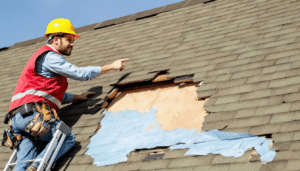
Freezing rain can coat rooftops with heavy ice, stressing roof edges and weakened materials. Ice buildup on shingles can worsen existing cracks and loosen aging seals. Wind gusts may then lift vulnerable asphalt roofing shingles or dislodge damaged sections. After the storm, check for displaced shingles, exposed roof edges, or roofing fragments around your property.
Ice Dams Can Cause Water to Enter Your Roof
Ice dams form when snow melts on warmer roof surfaces and refreezes near colder edges. This frozen barrier traps meltwater, which can move beneath roofing materials. Ice dam-related roof leaks may eventually reach attic insulation or ceiling materials. Proper insulation and air sealing can help limit the conditions that encourage ice dams.
Frozen Gutters and Downspouts Can Block Water Flow
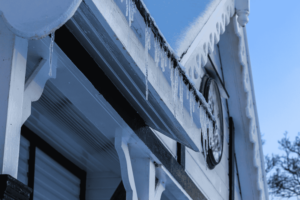
Frozen gutters and downspouts can prevent runoff from moving away from your home. Accumulated ice adds weight to gutter sections and strains mounting brackets. During daytime thaws, trapped water may overflow and refreeze overnight near walkways or entrances. Sagging gutters, separated joints, and ice beneath downspout outlets can indicate drainage problems.
Freeze-Thaw Cycles Can Weaken Existing Roof Materials
The Kansas City metro can experience warmer afternoons followed by freezing nights during winter. Moisture entering narrow openings around flashing, vents, and aging sealant can freeze and expand. Freeze-thaw roof damage may gradually weaken these connections over repeated temperature changes. Cracked sealant and separated flashing can indicate deterioration that needs professional evaluation.
Ice-Coated Tree Branches Can Damage Your Exterior
Ice adds substantial weight to tree branches, increasing the risk of breakage during strong winds. Lenexa’s mature, tree-lined neighborhoods make overhanging branches worth checking before winter storms. Falling limbs can puncture shingles, dent gutters, or crack siding panels. Once conditions improve, look for broken branches, scraped finishes, and visible impact marks from a safe distance.
Damaged Exterior Seals Can Allow Moisture Inside
Freezing rain can collect around window frames, door openings, and siding connections. Aging caulking and loose exterior trim may allow melting ice to enter wall cavities. Repeated moisture exposure can damage materials behind siding and surrounding exterior finishes. These entry points help distinguish exterior wall leaks from roof-related moisture problems.
Steps to Assess Ice Storm Damage and Prevent Further Repairs
After an ice storm passes through Lenexa, prioritize safety before assessing your property. Begin with visible exterior conditions, then document any indoor damage. Use those findings to determine which repairs need immediate attention.
Inspect Your Roof and Exterior From the Ground
Wait until falling ice and unstable branches no longer pose a safety risk. From the ground, look for missing shingles, bent gutters, damaged siding, and scattered roofing debris. Other signs of winter roof damage may include displaced roofing materials near the house. Use binoculars for distant areas, but never climb onto an icy roof or stand beneath unstable branches.
Look for Water Stains and Moisture Inside Your Home
Check ceilings, upper walls, and window frames for new discoloration after the storm. Damp insulation, musty odors, and peeling interior paint may indicate moisture intrusion. Inspect accessible attic spaces only when conditions allow safe entry. These warning signs can help a contractor investigate possible hidden water damage.
Take Clear Photos of Visible Storm Damage
Photograph exterior damage before beginning nonurgent cleanup. Capture wide views showing each affected area’s location, then take closer photos from safe positions. Photograph interior stains separately and record when they first appeared. Keep emergency repair receipts and storm documentation together to support contractor estimates and insurance discussions.
Schedule a Professional Roof and Gutter Inspection
A qualified roofing contractor can assess shingle attachment, flashing connections, roof penetrations, and gutter supports. The contractor should distinguish storm-related damage from ordinary material wear. Request photographs of identified problems and clear explanations of recommended roof repair and maintenance work. A written estimate should describe the proposed work, materials, and available warranty protection.
Address Active Leaks and Unsafe Conditions Quickly
Move belongings away from active leaks when safe, and keep family members clear of unstable exterior components. Avoid sagging ceilings, electrical equipment near moisture, and using sharp tools to break roof ice. Lenexa homeowners should contact qualified professionals as soon as conditions are safe. Prompt emergency protection and necessary repairs can help limit additional damage.
Prepare Your Home for Future Winter Storms
Seasonal maintenance helps prevent ice damage before another Kansas winter arrives. Clear fallen leaves from gutters before freezing temperatures set in, and consider professional gutter installation when sections need replacement. Repair deteriorating flashing, loose shingles, and worn exterior seals during suitable weather, and have a tree service assess overhanging branches. Schedule a professional attic and ventilation review before winter if you have had ice dams before.
Stop Hidden Ice Storm Damage Before It Reaches Your Home’s Interior
Bordner Home Improvement has helped Kansas City-area homeowners protect their properties since 1987. Ice storm damage can allow moisture to reach insulation, ceilings, and interior walls. If you notice loose shingles, sagging gutters, or water stains, schedule an exterior assessment before the next freeze.
Our team can identify problem areas, explain repair options, and help you protect your home from further damage. Contact us today to request a free estimate and address winter storm damage before it spreads.
Frequently Asked Questions
Can an ice storm damage my roof without causing a leak?
Yes. Heavy ice can loosen shingles and worsen existing roofing weaknesses without causing immediate leaks. Damage may appear later as snow melts. A professional inspection can help identify problems before water enters your home.
What are the warning signs of ice damage to gutters?
Common warning signs include sagging gutters, loose brackets, separated joints, and sections pulling away from the fascia. Water overflowing during a thaw may also indicate blocked drainage or damage that needs professional attention.
Is it safe to remove ice dams from my roof myself?
No. Icy roofs create serious fall hazards, and sharp tools can damage shingles or flashing. A qualified roofing professional can assess the buildup and recommend safer removal methods that protect your roofing materials.
When should I schedule a roof inspection after an ice storm?
Lenexa homeowners should schedule an inspection as soon as conditions are safe, especially if they notice leaks, fallen branches, or missing shingles. Early assessments can identify hidden damage and help prevent additional problems during the next freeze.