Wood rot around windows and doors affects many homes in Lenexa, KS, particularly in neighborhoods with mature trees, older trim details, and prolonged exposure to shade. Heavy spring rains, humid summers, and wind-driven storms across Johnson County create conditions where moisture lingers around frames. When you catch early warning signs and act quickly, you can protect structural components and avoid larger exterior repairs.
Key Takeaways
- Early signs of wood rot around windows include soft spots, peeling paint, and discoloration near frames.
- Moisture damage around windows and doors worsens quickly during Lenexa’s humid summers and storm seasons.
- Minor wood rot can often be repaired, while extensive damage usually requires window or door replacement.
- Regular inspection and maintenance help prevent structural damage and reduce long-term repair costs.
How to Spot Early Wood Rot Around Lenexa Windows and Doors
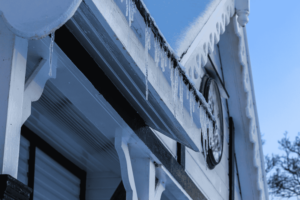
Wood rot often starts small and is easy to miss, but Lenexa’s mix of summer humidity and winter freeze cycles can speed up deterioration. Homes near wooded areas or with older exterior trim tend to retain moisture longer after storms, especially when drainage systems, such as gutters, are not directing water away properly. Watching for subtle changes around windows and doors after heavy rain or seasonal shifts helps you address damage before it spreads into surrounding framing.
Discoloration and Peeling Paint Around Frames
Peeling or discolored paint often signals early wood rot around windows and doors, especially along lower trim where water collects. In Lenexa, wind-driven rain and poorly maintained systems, such as roof repairs, can allow water to move toward these areas, causing paint to crack, bubble, or lift and allowing moisture to seep into the wood below.
Soft or Spongy Wood Surfaces
Soft or spongy wood around window and door frames indicates that moisture has already penetrated the material, weakening its structure. In Lenexa homes with older wood trim or insufficient sealing, this often appears near corners and sill edges where water sits longer, signaling early deterioration that can spread if ignored.
Cracking or Warping of Window and Door Frames
Cracking or warping usually develops after prolonged exposure to moisture combined with temperature fluctuations. Lenexa’s freeze-and-thaw cycles during winter expand trapped moisture within wood fibers, which can distort window and door frames and gradually reduce their stability, especially when broader exterior systems, such as residential roofing, are no longer shedding water effectively.
Musty Odors Near Windows and Doors
A persistent musty odor near windows or exterior doors often points to hidden moisture damage behind the surface. In Lenexa homes with limited airflow or older insulation, trapped moisture can linger in wall cavities, allowing wood rot to develop out of sight, aligning with EPA guidance on indoor moisture control.
When to Repair or Replace Rot-Damaged Exterior Components
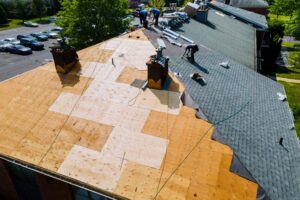
Not all wood rot requires full replacement, but you need to assess how far the damage has spread before choosing a solution. In Lenexa, where weather exposure varies by elevation and shade, a proper evaluation often includes looking at surrounding systems, such as the composition of asphalt roofing, to determine whether a repair will last or whether replacement will perform better in the long term.
Surface-Level Wood Rot
Surface-level wood rot can often be repaired using fillers or treated materials that restore strength. This approach works best when the frame remains structurally sound and the damage is confined to visible trim, which is common in early-stage cases in Lenexa homes.
Extensive Frame Damage
When wood rot weakens the structural integrity of a window or door frame, replacement becomes the most reliable option. In Lenexa, prolonged exposure to storm runoff and seasonal humidity can compromise framing components to the point where repairs no longer provide dependable results.
Recurring Moisture Issues
Recurring moisture damage often signals deeper issues with sealing, flashing, or drainage around the opening. In Lenexa homes with aging exterior systems, including larger-scale structures like commercial roofing on mixed-use properties, repeated repairs may not resolve the problem, and replacement can address the root cause more effectively.
Repeated Frame Deterioration
Modern materials may be a better option when the same window or door area continues to show signs of rot after prior repairs. In Lenexa homes, recurring deterioration often means moisture is still reaching the frame, making replacement a stronger long-term solution than another surface repair.
Prevent Costly Structural Repairs by Addressing Window and Door Wood Rot Early in Lenexa Homes
Bordner Home Improvement helps Lenexa homeowners prevent hidden moisture damage from turning into structural repairs by identifying early signs of wood rot around windows and doors and recommending the right repair or replacement approach. If you have noticed soft wood, peeling paint, or recurring moisture issues, now is the time to act to protect your home’s framing and long-term value. Contact us to schedule a professional evaluation.
Frequently Asked Questions
What are the signs of wood rot around windows?
Signs of wood rot around windows include soft wood, peeling paint, discoloration, and musty odors. These signs usually indicate moisture damage that can worsen if not addressed promptly.
Can wood rot around exterior doors be repaired?
You can repair wood rot around exterior doors when the damage stays limited to the surface. However, more serious or structural damage often requires full door frame replacement to ensure long-term performance.
How does moisture damage around windows occur?
Moisture damage around windows occurs when water enters through failed seals, flashing, or damaged paint. Over time, the wood absorbs moisture, leading to rot and structural weakening.
When should I consider replacing a window or door in Lenexa, KS?
You should consider window or door replacement in Lenexa, KS, when wood rot affects structural integrity, keeps returning after repairs, or reduces energy efficiency. Replacement provides a more durable and long-lasting solution.