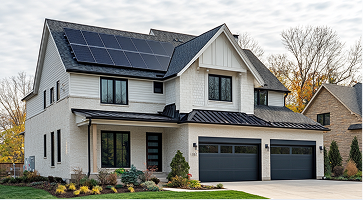
Shawnee, KS, homeowners rely on proper attic ventilation to protect roof performance and maintain year-round indoor comfort. With humid summers, winter storms, and frequent temperature swings, balanced attic airflow helps extend roof life, improve energy efficiency, and reduce moisture-related damage.
Key Takeaways
- Proper attic ventilation helps regulate roof temperature, supporting longer roof life and more consistent indoor comfort in Shawnee homes.
- Poor attic ventilation can lead to moisture buildup, mold growth, and damage to roofing materials if left unaddressed.
- Balanced intake and exhaust vents ensure continuous airflow, protecting the roof deck and attic insulation.
- A professional roof inspection is the best way to determine whether your attic ventilation system is performing as it should.
How Proper Attic Ventilation Improves Shawnee Roof Performance
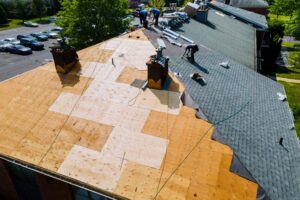
Attic ventilation supports the entire roofing system, including how professional roofing contractors evaluate airflow and roof performance, not just the attic space. When designers balance airflow correctly, your roof performs as intended in every season.
Reduces Heat Buildup Under the Roof
During Shawnee’s humid summers, heat buildup in the attic can push roof temperatures far beyond normal levels. Proper attic ventilation allows hot air to escape through exhaust vents such as ridge vents or attic fans, helping prevent heat-related damage to roof shingles and other roofing materials.
This temperature control protects your existing roof and reduces premature aging that often affects residential roofing systems when hot air becomes trapped.
Protects the Roof Deck from Moisture Damage
Moisture buildup is one of the most common issues we see in poorly ventilated attics. Without proper airflow, warm, moisture-laden air can condense on the roof deck, leading to wood rot and long-term structural concerns.
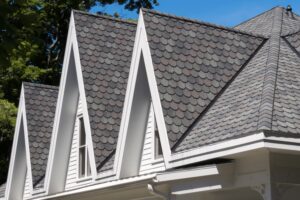
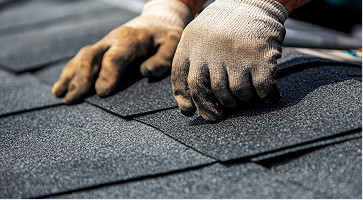
Proper roof ventilation allows fresh air to move through the attic, reducing moisture damage and protecting the roof deck over time, especially on roofs built with composition asphalt shingles.
Supports Longer Roof Life
A properly ventilated attic helps extend roof life by maintaining more stable roof temperatures year-round. Excessive summer heat and trapped warm air in winter both contribute to early roof failure.
By promoting continuous airflow, attic ventilation reduces stress on roof shingles and supports stronger overall roof performance, which can delay the need for roof repair and maintenance for Shawnee homeowners.
Improves Energy Efficiency Throughout the Home
In Shawnee, attic ventilation directly affects how hard your air conditioning system has to work during hot, humid summers. When heat builds up above the insulation, it radiates into living spaces, forcing cooling systems to run longer.
Proper intake and exhaust ventilation remove that heat, ease strain on HVAC equipment, and help Shawnee homeowners better manage seasonal energy costs.
Key Signs and Next Steps for Shawnee Attic Ventilation
Knowing what to look for helps homeowners address ventilation problems before they lead to costly repairs, whether the structure is residential or part of a larger commercial roofing system. These signs often indicate that attic airflow is not working as intended.
Rising Energy Bills Without a Clear Explanation
In Shawnee homes, attic heat buildup during prolonged summer heat or rapid temperature shifts in spring and fall often drives rising energy bills. When hot air builds up in the attic, HVAC systems work harder to maintain comfort.
During roof inspections in the Kansas City area, we frequently identify inadequate attic ventilation as the cause of unexplained increases in energy costs.
Temperature Swings and Uneven Indoor Comfort
Homes with ventilation problems often experience noticeable temperature swings between floors. Warm air trapped in the attic can radiate downward, making upper levels uncomfortable during summer. Proper ventilation allows cool air to enter through soffit vents while hot air exits through exhaust vents, helping stabilize indoor temperatures.
Visible Moisture or Musty Odors in the Attic
Musty odors, visible condensation, or mold growth in the attic strongly indicate poor attic ventilation. These conditions suggest that warm air and moisture are trapped instead of vented outside. Addressing attic ventilation early helps prevent mold growth and protects attic insulation from moisture damage.
Ice Dams Forming Along the Roof Edge in Winter
During Shawnee winters, improper attic airflow can contribute to the formation of ice dams along the roof’s edge. Heat escaping into the attic causes snow to melt and refreeze near colder roof edges. Proper ventilation helps maintain consistent roof temperature and reduces the risk of ice dams during winter storms.
Schedule Your Shawnee Attic Ventilation Inspection Before the Next Storm
Shawnee storms can quickly expose attic ventilation problems, leading to moisture buildup and roof deck damage when airflow is unbalanced. Waiting until after a storm often results in avoidable repairs.
If you are unsure how your attic ventilation will perform during severe weather, a quick inspection can provide clarity. You can learn more from Bordner Home Improvement or contact us to discuss next steps for your Shawnee home.
Frequently Asked Questions
How does attic ventilation affect roof performance in Shawnee, KS?
Attic ventilation and roof performance in Shawnee, KS, are closely connected because airflow helps regulate roof temperature and moisture levels. Proper ventilation protects roofing materials, extends roof life, and helps prevent moisture damage from trapped warm air.
What are the most common signs of poor attic ventilation?
Poor attic ventilation often shows up as heat buildup, moisture buildup, musty odors, uneven indoor temperatures, or ice dams during winter. These issues indicate that air is not moving properly through the intake and exhaust vents.
Can attic ventilation improve energy efficiency?
Yes, a properly ventilated attic improves energy efficiency by reducing heat buildup that strains the HVAC system. When hot air escapes efficiently, cooling systems work less, helping lower energy costs and maintain consistent indoor comfort.
Should attic ventilation be checked during a roof inspection?
A roof inspection is an ideal time to evaluate attic ventilation because the entire roofing system works together. As service providers, we assess intake and exhaust vents, attic airflow, and insulation to ensure proper ventilation before recommending roof repairs or replacement.