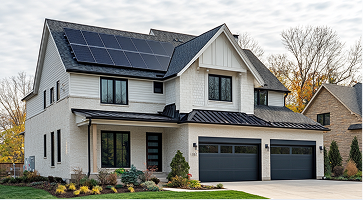
Homeowners in Liberty, MO, face repeated exposure to strong winds, heavy rain, and fast-moving storm systems that place ongoing stress on roofing systems and exterior components. Many homeowners overlook wind uplift, yet it remains a leading cause of missing shingles, water intrusion, and costly roof repairs across the Kansas City area.
Understanding how wind affects your roof helps you make informed decisions that protect your home, property value, and your family’s comfort.
Key Takeaways
- Wind uplift weakens roofing systems by lifting shingles and allowing wind-driven rain to reach vulnerable areas of the roof.
- Timely inspections after severe weather events help limit moisture damage, mold growth, and unnecessary repair costs.
- Targeted upgrades strengthen a roof’s structural integrity and support long-term performance during Liberty’s storm season.
- Professional inspections uncover hidden damage that insurance companies often require to process claims accurately.
Effective Wind Uplift Protection for Liberty Homes and Roofs
Wind behaves differently across Liberty neighborhoods, especially near open ground, historic districts, and elevated properties. These localized conditions increase wind stress on roofing systems during severe weather events.
Proactive protection reduces the risk of missing shingles, water intrusion, and structural damage before minor issues escalate into storm damage that often requires residential roofing services.
Understanding How Wind Stress Impacts Roofing Systems
In Liberty, sudden gusts associated with fast-moving storm fronts exert upward force on asphalt shingles, testing how well they were sealed and fastened during installation. Repeated wind stress can weaken the roofing system over time, even without apparent signs of damage.
When those forces exceed the roof’s tolerance, shingles lift, seals fail, and wind-driven rain increases the risk of leaks, moisture damage, and hidden structural stress inside attic spaces.
Identifying Vulnerable Areas Before Damage Spreads
Certain roof sections in Liberty homes are more susceptible to wind damage due to the roof shape, slope, and surrounding terrain. Ridges, eaves, valleys, and areas near damaged flashing or roof penetrations often show early signs of failure after strong winds.
Focusing inspections on these vulnerable areas helps identify hidden problems before localized damage spreads across the entire roof and turns into larger issues that require roof repair and maintenance.
Protecting Attic Spaces From Moisture and Mold
When wind uplift allows water intrusion into attic spaces, Liberty’s humid summers accelerate mold growth and insulation breakdown. Moisture trapped in attics can also lead to water stains on ceilings and long-term concerns about structural integrity.
Sealing the roofing system properly limits moisture exposure and helps prevent expensive repairs caused by prolonged damp conditions.
Reinforcing Roofing Materials for Long-Term Performance
Selecting and installing durable roofing materials plays a significant role in resisting wind uplift during severe weather.
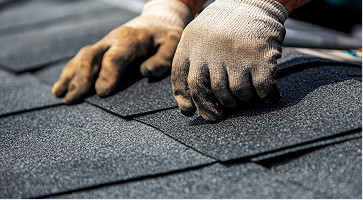
Asphalt shingles designed for high winds, along with reinforced fastening patterns, improve a roof’s ability to withstand strong winds and heavy rain. These upgrades support long-term performance and reduce the likelihood of premature roof replacement.
How to Prioritize Upgrades Before the Next Major Storm
Planning allows Liberty homeowners to strengthen their roofs before storm season arrives.
Evaluating weak points early reduces the risk of wind and water damage and the need for costly repairs during severe weather events that can impact both residential and commercial roofing systems.
Preventive upgrades help protect the roofing system and exterior before conditions worsen.
Assessing Your Roof’s Age and Overall Condition
In Liberty neighborhoods with older housing stock, a roof’s age directly affects its ability to withstand wind stress and storm damage. Fasteners, underlayment, and seal strips lose effectiveness over time, even if shingles appear intact from the ground.
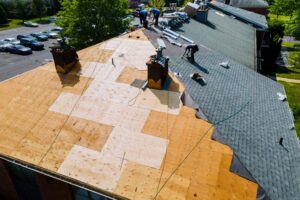
Assessing the roof’s overall condition helps determine whether to repair the damage, perform a partial replacement, or perform a full replacement.
Addressing Damaged Gutters and Drainage Issues
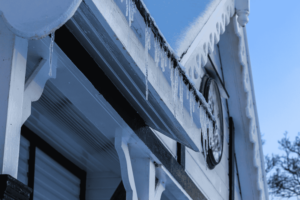
Damaged gutters increase the risk of water intrusion during heavy rain by allowing runoff to reach roof edges, siding, and foundations. High winds often loosen gutters or cause debris buildup that leads to flooding near the exterior of the house.
Securing gutters and drainage systems helps protect the roof and the rest of the property from further damage, which is why proper gutter installation is essential for storm preparedness.
Scheduling Comprehensive Professional Inspections
Professional inspections after storm damage help uncover roof damage that may not be visible from the ground. A thorough inspection includes attic access, exterior evaluation, and checks for missing shingles, cracked shingles, damaged flashing, and structural stress.
Detailed documentation also supports communication with an insurance company when filing claims for storm damage.
Planning Upgrades That Reduce Future Repair Costs
Strategic upgrades, such as improved fastening systems, reinforced panels, and targeted repairs, reduce the risk of costly later repairs. These improvements help maintain the roof’s integrity and limit additional damage during future storms.
Homeowners who address early signs of wear often avoid repeated repairs and unexpected costs.
Schedule a Wind Uplift Inspection Before the Next Liberty Storm
Bordner Home Improvement offers wind uplift inspections to identify missing shingles, vulnerable areas, and early signs of roof damage caused by strong winds and heavy rain.
Addressing these issues early helps prevent leaks, moisture damage, and unnecessary repairs before the next severe storm. To schedule an inspection and receive a free estimate, contact us when you are ready to move forward.
Frequently Asked Questions
How does wind uplift lead to water damage in Liberty homes?
Wind uplift lifts shingles and roofing materials, allowing rain to penetrate the roofing system. Water intrusion can travel into attic spaces and walls, leading to moisture damage, mold growth, and structural concerns if not addressed promptly.
What are the early signs of wind damage after a storm?
Early signs include missing shingles, cracked shingles, damaged flashing, water stains, and debris around gutters. A professional inspection helps identify hidden damage before it becomes more costly to repair.
Will insurance companies cover wind damage repairs?
Most insurance policies cover storm damage caused by high winds, but coverage depends on documentation and timing. A professional inspection provides clear records that help support insurance claims.
When should a roof be repaired versus entirely replaced?
Minor issues may require only targeted repairs, while widespread roof damage or advanced age may justify a full replacement. An inspection helps determine the most cost-effective and protective solution for your home.